34TH ANNUAL ICC CONFERENCE · CORK, IRELAND
Language Teaching 2030
People, Technology and Change
Rethinking language education for a changing world
23–25 April 2027
Munster Technological University (MTU), Cork, Ireland
Welcome to the ICC-Languages Conference 2027
The 34th Annual Conference of ICC – the International Language Association will take place in Cork, Ireland, from 23 to 25 April 2027.
The conference will bring together language educators, researchers and professionals to exchange perspectives on the future of language education, with particular attention to the evolving relationship between people, technology and language teaching.
Our Host: Munster Technological University
The conference will be hosted by Munster Technological University (MTU), an institutional member of ICC since 2025. With six campuses across Cork and Kerry and more than 18,000 students, MTU is one of Ireland’s leading technological universities. Its commitment to international education, applied research, intercultural communication and professional development closely aligns with ICC’s mission to promote quality and diversity in language education.
We are delighted to collaborate with MTU in bringing the international ICC community together in Cork for three days of professional exchange, discussion and networking.
Planned Visit to County Kerry
A visit to County Kerry, in the southwest of Ireland, is also being planned for Sunday, 25 April 2027.
Renowned for its beautiful landscapes and coastal scenery, Kerry is also home to MTU’s Kerry campuses.
We look forward to welcoming you to Cork in April 2027!

Abstract submission opens soon. The submission form is scheduled to open on 1 December 2026. The link will appear here when submissions open.
Read the Call for Proposals
What will language teaching look like in 2030, and how can we shape its future today?
ICC – the International Language Association, warmly invites language educators, researchers, teacher educators and practitioners to submit proposals for its 34th Annual Conference, hosted by Munster Technological University in Cork, Ireland, from 23 to 25 April 2027.
Advances in artificial intelligence and digital technologies, increasingly diverse learning environments and changing learner needs are transforming how languages are taught and learned. At the same time, language education remains fundamentally a human endeavour, grounded in communication, cultural understanding and meaningful interaction.
Recent work by the OECD and the Council of Europe underlines the importance of evaluating how emerging technologies can support education while protecting human agency, inclusion and professional judgement.
How can technology enhance rather than replace human interaction? What skills will learners and teachers need? How can language education become more inclusive, relevant and accessible? And how can teachers and institutions respond constructively to change?
We welcome proposals that connect research, policy and classroom practice. Contributions may present original research, case studies, action research, teaching approaches, practical activities, resources, teacher development initiatives or informed reflections on developments in language education.
Contributions from schools, higher education, adult education, vocational and workplace language training, and community programmes are particularly welcome.
Whether your work focuses on emerging technologies, multilingual learners, assessment or the changing role of teachers, we invite you to contribute to an informed and practical conversation about language teaching towards 2030.
Selected references
OECD. (2026). OECD Digital Education Outlook 2026: Exploring Effective Uses of Generative AI in Education. OECD Publishing.
Council of Europe, Committee of Ministers. (2026). Recommendation CM/Rec(2026)12 on artificial intelligence literacy.
Gambi, L. (2026). The teaching profession in the EU: A comparative analysis building upon the TALIS 2024 results. European Commission, Directorate-General for Education, Youth, Sport and Culture.
Thematic strands
People and Inclusion
- Inclusive language education and diverse learner needs
- Plurilingualism, intercultural communication and linguistic diversity
- Learner motivation, participation and autonomy
Technology and Professional Judgement
- AI and digital technologies in language teaching and learning
- Opportunities, limitations and ethical considerations of technology-enhanced education
- Critical and effective uses of technology to support learning
Teaching and Assessment for a Changing World
- Innovative teaching approaches and classroom practices
- Curriculum development and changing communication needs
- Assessment, feedback and evidence of learning in evolving educational contexts
Teachers and Educational Change
- Teacher education, professional development and emerging competences
- Changing teacher roles and professional judgement
- Institutional innovation, collaboration and responses to change
Proposals may address more than one strand and should demonstrate clear relevance to language teaching and learning.
Important dates
Dates remain subject to minor changes.
| Milestone | Date |
|---|---|
| Call for Proposals published | November 2026 |
| Abstract submission opens | 1 December 2026 |
| Registration opens (early bird) | 5 January 2027 |
| Abstract deadline | 31 January 2027 |
| Abstract review | 1–12 February |
| Acceptance notifications | 15 February |
| Presenter confirmation | 22 February |
| Early-bird registration closes | 28 February |
| Standard registration opens | 1 March |
| Preliminary programme | Early March |
| Final programme | Late March |
| Standard registration closes | 16 April |
| Conference | 23–25 April 2027 |
Submission guidelines
Submission guidelines
Proposals should clearly state the purpose, approach and expected contribution of the presentation. Include your institutional affiliation or professional role and relevant expertise in your biography. A personal or institutional webpage may also be provided.
All presentations will take place in person in Cork. Session formats and timings will be announced with the programme.
Presentation languages
Presentations may be delivered in English, German, French, Spanish or Irish (Gaeilge).
To help participants engage across languages, presenters are encouraged to prepare slides in English or bilingually where practicable, provide a brief summary in English when presenting in another language, and allow space for questions and discussion across languages.
How proposals will be reviewed
- Relevance to the conference theme and thematic strands
- Clarity, coherence and relevance to language education practice or research
- Potential to stimulate discussion and professional exchange
- Originality of the approach, perspective or findings
- Significance and potential contribution to the field
Questions about your proposal? info@icc-languages.eu
Participant registration
Registration is planned to open on 5 January 2027.
Registration details, including conference fees and payment information, will be available here once registration opens.
Plan your visit
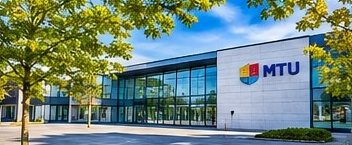
MTU Bishopstown Campus
Conference venue and practical information ›

Discover Cork
Attractions, culture and local experiences ›

Kerry and Dingle
Proposed excursion on 25 April 2027 ›
Conference venue
Munster Technological University (MTU)
Bishopstown campus
Cork, Ireland
T12 P928
Visit MTU · View campus location
Further details about the conference building and rooms will follow.
Travelling to Cork
Arriving at Cork Airport
Cork Airport is approximately 8 km from Cork city centre. Please consult the airport website for flight connections and onward transport.
Travelling via Dublin
Dublin Airport offers an alternative arrival point, with direct coach services to Cork. Please check current timetables, journey times and fares before booking.
Getting to MTU
Local bus services and taxis connect Cork city centre with MTU’s Bishopstown campus. Detailed travel guidance will be added closer to the conference.
Where to stay
Cork offers a range of hotels, guesthouses and B&B accommodation. The following options have been suggested by the local organisers.
Hotels
- The River Lee Hotel
- Talbot Hotel Cork
- The Kingsley Hotel
- The Imperial Hotel
- The Metropole Hotel
- Clayton Hotel Cork City
- Maldron Hotel South Mall
- Leonardo Hotel Cork
- Hotel Isaacs Cork
Guesthouses and smaller accommodation
Please check availability, location and booking conditions directly with your chosen accommodation provider.
Discover Cork
Make time to explore Cork during your stay, from the English Market and St Fin Barre’s Cathedral to the historic Shandon neighbourhood and Cork City Gaol.
If you are extending your visit, nearby destinations include:
Cobh
Explore the harbour town’s maritime heritage, the Titanic Experience and St Colman’s Cathedral.
Kinsale
Discover colourful streets, harbour walks, Charles Fort and the town’s food culture.
Please check opening times and transport arrangements before travelling.
Kerry and Dingle: proposed excursion
A visit to Dingle is being planned for Sunday afternoon, 25 April 2027, after the close of the conference.
Dingle lies in an Irish-speaking area of County Kerry and offers an opportunity to discover another part of Ireland’s linguistic and cultural heritage.
The proposed arrangements include coach transport from Cork to Dingle, with possible onward options to return to Cork, travel to Tralee or stay in Dingle.
The excursion and transport arrangements are subject to confirmation. Costs, timings and booking information will follow.