Multilingualism and Migrant Integration in Adult Language Education: Practices, Challenges and Opportunities
WeeksDays
Building on UNESCO’s Languages Matter: Global Guidance on Multilingual Education (2025), the conference will examine how multilingualism shapes adult language learning and lifelong education, addressing classroom practice, workplace learning, teacher development and innovation. These educational dimensions are closely connected to broader social and economic realities: across Europe, persistent labour shortages and the growing demand for upskilling have made the integration of migrants and refugees into the workforce a priority. In this context, language proficiency is often the decisive step that allows individuals to access further training and employment opportunities. Switzerland’s multilingual environment, with German, French, Italian and Romansh, provides a particularly relevant setting in which to examine how inclusive approaches to adult language education can support participation, integration and employability.
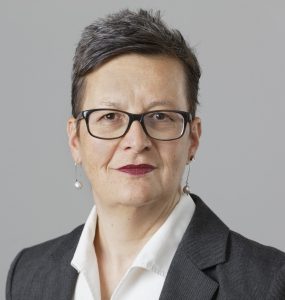
Regula Mader is the Vice Director of the Swiss State Secretariat for Migration (SEM), where she heads the Immigration and Integration Division. A lawyer by training with advanced degrees in General Management and Applied Ethics, she has a distinguished background in public service and social cohesion. Her previous leadership roles include serving as elected Prefect in the district of Berne, President of the National Commission for the Prevention of Torture and Director of the “House of Religions – Dialogue of Cultures” in Bern.
In her opening address, Regula Mader will officially welcome conference delegates on behalf of Switzerland. She will offer insights into Switzerland’s institutional approach to integration, highlighting how migration policy, education and integration strategies are closely interconnected. Her contribution sets the framework for the conference by illustrating how coherent policy structures can support multilingualism, participation and social cohesion in increasingly diverse societies.
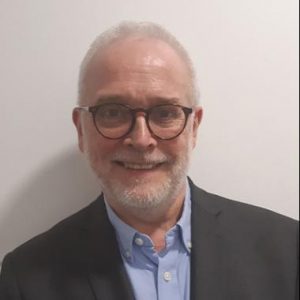
University of Westminster, UK
President, FIPLV (Fédération Internationale des Professeurs de Langues Vivantes)
Chevalier dans l’Ordre des Palmes Académiques
Terry Lamb is Full Professor of Languages and Interdisciplinary Pedagogy at the University of Westminster, London, based in the Centre for Education and Teaching Innovation and the School of Humanities, and he is Co-Director of HOMELandS, the cross- and inter-disciplinary University Research Centre on Migration. He has published widely in areas such as pedagogy, motivation, multilingual education, multilingual cities, language teacher associations, and activist research that challenges social, cultural and linguistic injustices. His projects have included several at the European Centre for Modern Languages of the Council of Europe, e.g. Supporting Multilingual Classrooms. In 2023, he was appointed to the Language Policy Advisory Group of the Council of Europe. Terry has worked closely on languages strategy and curriculum with the UK and other Governments and is founder editor of Innovation in Language Learning and Teaching. He is President of FIPLV (Fédération Internationale des Professeurs de Langues Vivantes), an NGO of UNESCO and the Council of Europe. In recognition of his services to languages and culture, he has been awarded the honour of Chevalier dans l’Ordre des Palmes Académiques by the French government. He is also a Fellow of the Royal Society of Arts.
Opportunities for inclusive lifelong language education for democratic culture
This presentation will explore a major shift in language education in Europe, arguing for the crucial role language educators play in developing and maintaining democracy and what this means in practice. This shift is endorsed by the Council of Europe’s Recommendation on the importance of plurilingual and intercultural education for democratic culture, the first holistic recommendation on language education to be published by the Council of Europe. Of relevance to the conference theme, the Recommendation’s scope extends beyond formal education, recognising that successful implementation requires a shift in societal attitudes to language and culture, embracing and valuing our multilingualism through inclusive lifelong language education, both formal and non-formal. The presentation will also present ways in which a wide range of stakeholder groups and partners in civil society can work with educational institutions, including adult and vocational education, to contribute to this broad and ambitious agenda for change.
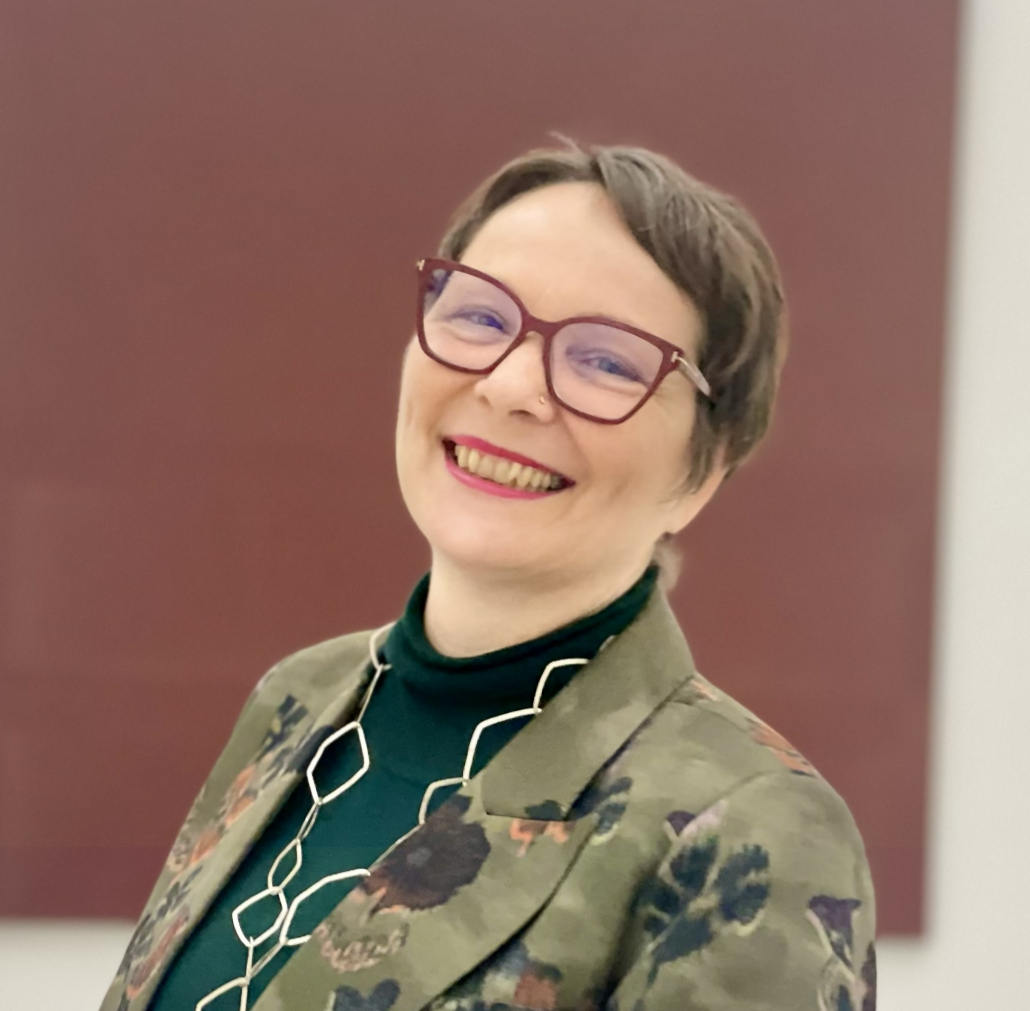
ZHAW Zurich University of Applied Sciences
Christiane Hohenstein, Prof. Dr., has been Full Professor of Intercultural Studies and Linguistic Diversity at the Zurich University of Applied Sciences (ZHAW), School of Applied Linguistics, since 2007. She holds a Dr. phil. and an MA in Linguistics from the University of Hamburg, specialising in German and Japanese linguistics and contrastive pragmatics. Her doctoral thesis (2006), supervised by Jochen Rehbein, examined explanatory practices in German and Japanese spoken academic discourse using Functional Pragmatics.
Her research covers German–Japanese contrastive pragmatics, Lingua Franca communication in German-speaking contexts, societal integration, multilingual healthcare, intercultural and inclusive communication, the role of Swiss German Sign Language in higher education, gender-inclusive language, and assistive and augmentative communication (AAC) from a linguistic diversity perspective. She has published widely in German and English and co-edited several volumes, including Connectivity in Grammar and Discourse (2007, John Benjamins; with Jochen Rehbein and Lukas Pietsch), Multilingual Healthcare (2020, Springer-Gabler; with Magdalène Lévy-Tödter), works on language in institutions and multilingual societies (2022, Waxmann; with Antonie Hornung), and inclusive written language acquisition (2023, OBST 101; with Manuela Böhm). A co-authored chapter on higher education perspectives involving Sign Language and AAC was published in 2025.
Alongside her academic work, she has taught in higher and continuing education for 18 years and developed two programmes on intercultural communication across professional fields. She also served as Equity and Diversity Officer at ZHAW for ten years until 2018.
Fostering InterculturalCommunication and Participation
This talk examines the hidden complexities of inclusive multilingual education for adults in the German-speaking part of Switzerland, where diglossia between spoken Swiss German and written Standard German intersects with extensive migrant multilingualism, English as a Lingua Franca, and a multilingual national language policy. While four official languages coexist with significant dialectal variation, almost 30% of households use other home languages (bfs 2026). Despite this seemingly fertile ground for inclusive multilingual pedagogy, adult learners face a far more complex reality.
Navigating dialect comprehension alongside literacy in Standard German is challenging, particularly as speaking dialect signals social belonging. For adult learners, language learning is closely tied to identity positioning and to professional integration into an unfamiliar social context. Intersecting diversity markers—gender, age, class, linguistic heritage, ethnicity, and dis/ability—shape these experiences, while textbooks often present stereotyped representations of Swiss life that diverge from learners’ lived contexts.
The talk departs from the concept of ‘Inclusive Multilingualism’ (Backus et al., 2013), drawing on the notion of Inclusive Multilingual Education. It explores how diversity-oriented teaching materials for adult language education (cf. Hohenstein/Konstantinidou/Opacic, 2021) can foster inclusion, intercultural communication, and participation. Finally, drawing on critical intercultural communication approaches that support polycentric perspectives, discursive dissent, and translanguaging (cf. Dervin/Jacobsson, 2022), it discusses the educator’s role and options for virtual reality training in enabling adult learners’ participation.
References:
Backus, Ad et al. (2013). Inclusive Multilingualism: Concept, Modes and Implications. EuJAL 2013; 1(2): 179–215. DOI 10.1515/eujal-2013-0010
bfs (2026). Swiss Federal Statistics of Languages. Main languages spoken at home or at work. LinkDervin, Fred / Jacobsson, Andreas (2022). Intercultural Communication Education. Broken Realities and Rebellious Dreams. Springer Briefs in Education.
Hohenstein, Christiane / Konstantinidou, Liana / Opacic, Aleksandra (2021). Rethinking Intercultural Competence in Foreign and Second Language Classrooms for Adult Migrant Learners. In: Witte, A./Harden, T. (eds.) Rethinking Intercultural Competence (pp. 179-195). Peter Lang.
Subject to minor changes before the end of 2025
Flying Teachers is a co-organiser and main sponsor of the event in Zurich, in collaboration with ICC – The International Language Association

While our conference is committed to broad inclusion and participation, the oral presentation schedule allows for a limited number of speakers, making the selection process for these specific slots rigorous. We are currently exploring diverse ways to honour the high caliber of work submitted.
Presentation Types:
Duration: 30 minutes, including a 10-minute Q&A session
Abstract Requirements:
Bio:
Abstract Review Criteria:
Important Notice:
The ICC does not provide travel funding or support for visa applications. Participants are responsible for arranging their own travel, visas and accommodations in accordance with local regulations. Invitation letters will be issued only to individuals whose abstracts have been formally accepted for presentation. Acceptance notifications and invitation letters will be distributed according to the conference schedule.
subject to minor alterations
Note: This timetable follows the Central European Summer Time (CEST)
Language Policy:
Presenters may speak in English, German or French. To foster multilingual exchange:
Conference Presentation Policy:
To guarantee a fair and respectful environment for all attendees, presenters are strongly encouraged to review the ICC’s conference presentation policy. This document provides essential guidelines on authorship, copyright, presentation eligibility, and certification
| 17:30 | ICC Board Meeting |
| 19:00 | Welcome Dinner Reception (Venue: Restaurant Spitz) |
Each session consists of a 30-minute presentation.
| 08:30-09:00 | Registration | |
| Room 1 | ||
| 09:00-09:10 | Welcome ICC Co-Chairs: Myriam Fischer & Tatjana Kovac |
|
| 09:45-10:45 | Keynote Speech: Developing Intercultural Communicative Competence through (AI-Enhanced) Pedagogical Lingua Franca Immersion Kurt Kohn, Professor Emeritus of Applied English Linguistics English Department, University of Tübingen (Germany) Moderator: Thomas Tinnefeld |
|
| 10:45-11:00 | Coffee Break | |
| Parallel Session (Room 1) | Parallel Session (Room 2) | |
| 11:00-11:45 | Invited Talk:
No Cheating – a Guide to Ethical AI Use in Language Teaching Moderator: Helen Bulluck |
Workshop (in Greek & English):
Gamifying Greek: How Digital Tools Can Make Learning Greek Fun and Effective Moderator: Valentinos Filippou |
| 11:45-12:30 | Talk:
Empowering Migrant Workers through Work-related Second Language Learning for Labour Market Integration and Participation Moderator: Myriam Fischer |
Talk:
Enhancing Oral Presentation Skills Through Generative AI Moderator: Ian McMaster |
| 12:30-13:45 | Lunch | |
| 13:45-14:30 | Talk :
Keeping up with the Gen Zs: a Sceptic’s Guide to Adapting Existing Teaching Materials for an AI-Savvy Audience Moderator: Ian McMaster |
Talk:
Bridging the Gap in Oral Proficiency: Pedagogical Integration of Conversational Agents Moderator: Tatjana Kovac |
| 14:30-15:15 | Talk:
Fostering Entrepreneurial Competences and a Sustainable Entrepreneurship Mindset in Higher Education English for Specific Purposes Contexts Moderator: Ian McMaster |
Workshop:
EUROLTA – European Certificate in Language Teaching to Adults: Professionalisation Pathways for Aspiring Language Teachers Moderator: Myriam Fischer |
| 15:15-16:00 | Workshop:
Fostering a Multilingual Mindset – Strategies for Promoting Multilingualism in Education Moderator: Ian McMaster |
Workshop:
AI in Language Teaching and Learning Moderator: Damian Fäh |
| 16:00-16:30 | Coffee Break | |
| 16:30-17:15 | Talk:
Integration of Artificial Intelligence into Higher Education: Perceptions of Students and Educators Moderator: Thomas Tinnefeld |
Workshop:
AI Chatbots as Mediation Simulators: Enhancing Cross-Cultural and Cross-Disciplinary Communication in ESP, Exemplified by Engineering Moderator: Damian Fäh |
| 17:15-18:00 | Talk :
Building Bridges: Engaging Activities for Enhancing Cultural Agility Moderator: Helen Bulluck |
Talk:
Teaching and Learning Dynamics in Online EMI Environment Moderator: Tatjana Kovac |
| 19:00 | Dinner (own cost)
Venue: Militzis Tavern (Address: Piale Pasa 42, Larnaka 6028, Cyprus) |
|
| 08:45-09:45 | ICC Annual General Meeting | |
| 09:45-10:00 | Break | |
| Parallel Session (Room 1) | Parallel Session (Room 2) | |
| 10:00-10:45 | Invited Talk:
Working in international teams: how can AI help? Moderator: Helen Bulluck |
Talk (in Greek):
GREEK LINGO BOX: Back to Face to Face? Myths about Language Games and a Fresh Idea for Board Games Moderator: Valentinos Filippou |
| 10:45-11:00 | Coffee Break | |
| 11:00-12:30 | Panel Discussion: Redefining Language Education – Technology, Accessibility and Empowerment Coordinator: Thomas Tinnefeld Moderators: Thomas Tinnefeld & Michael Carrier Panellists:
|
|
| 12:30-12:40 | Closing & Farewell | |
| 14:00-16:00 | Guided Walking Tour (own cost) | |
The conference fee includes: e-certificate, welcome reception on 8 May, refreshments during coffee breaks and lunch on 9 May, refreshments during coffee break on 10 May.
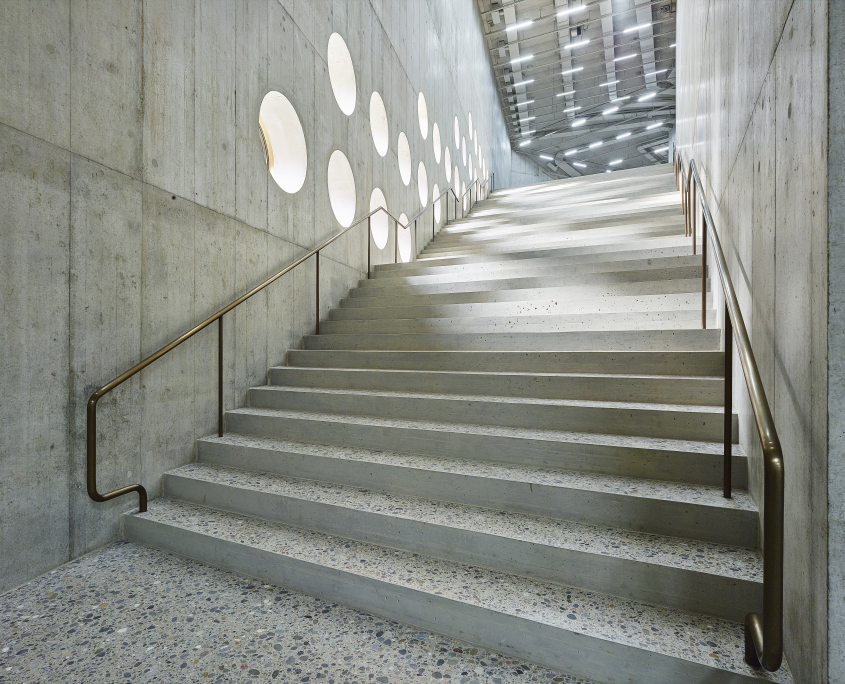
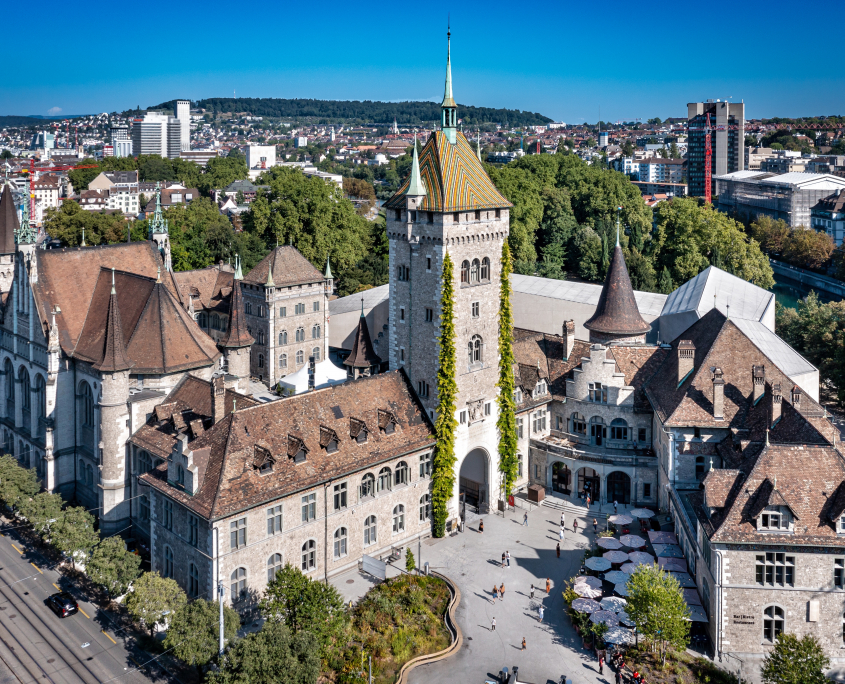
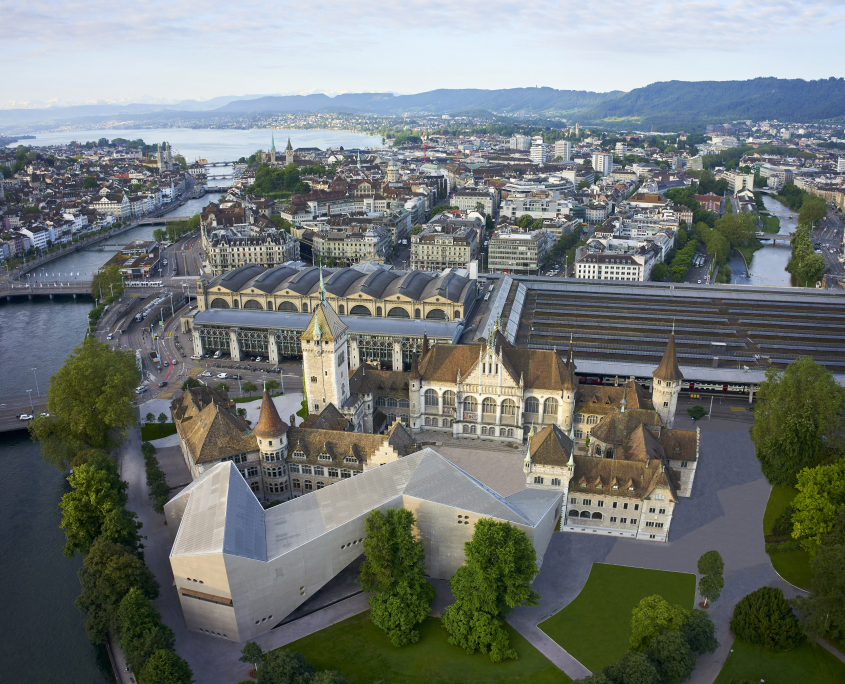
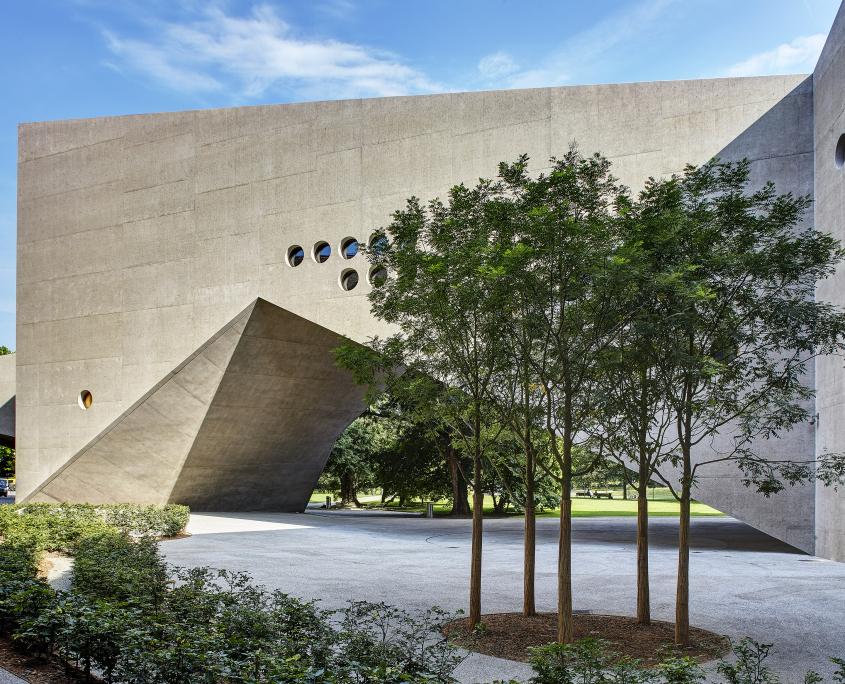
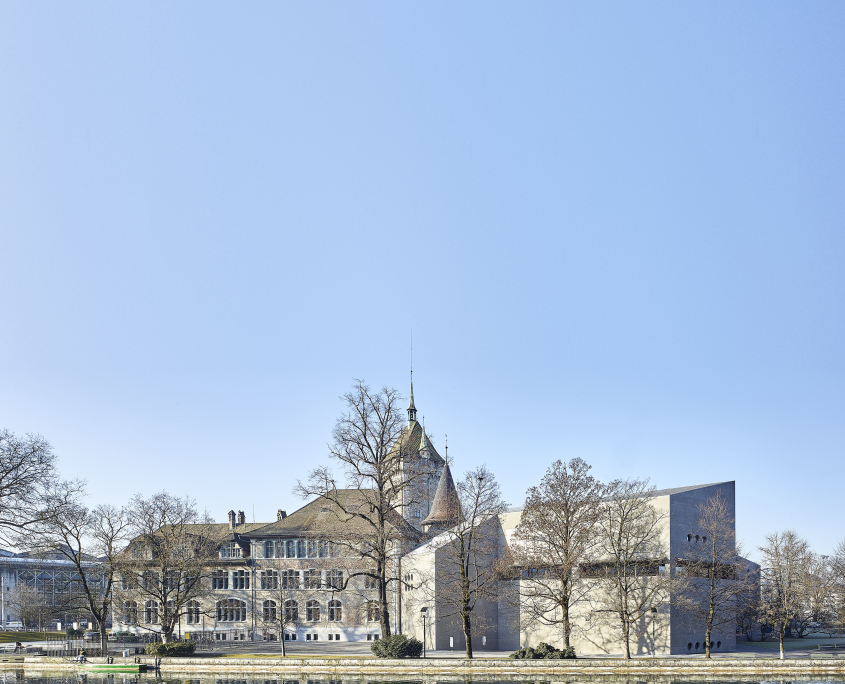
Landesmuseum Zürich
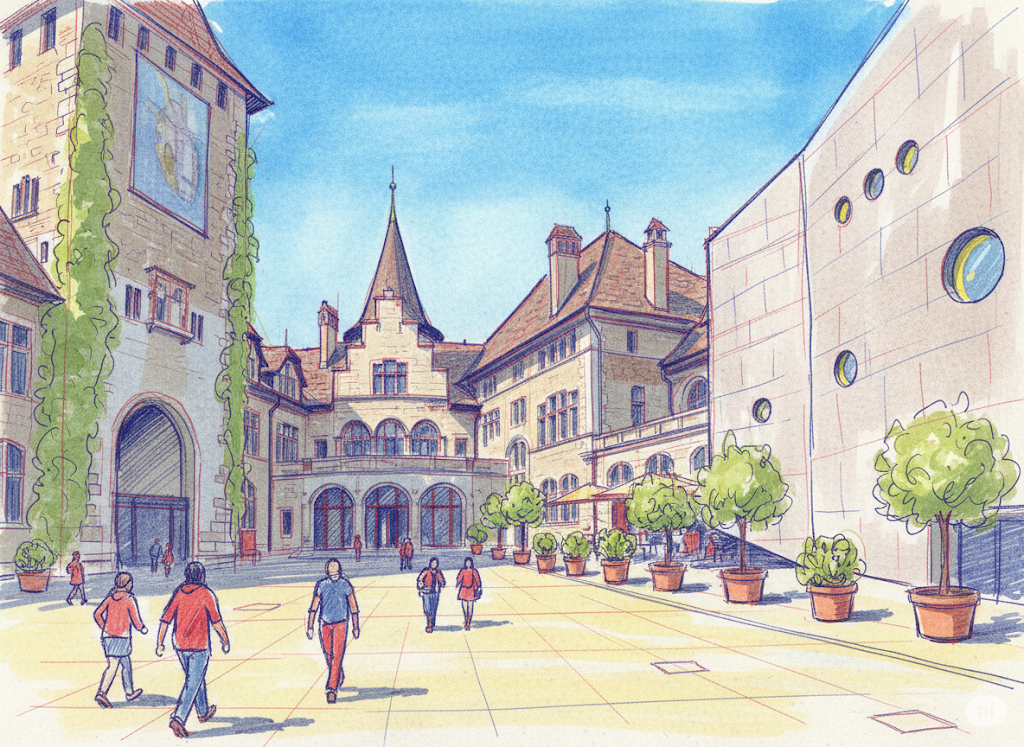
The Swiss National Museum, located next to the main station, resembles a fairy-tale castle. It provides a stunning historical backdrop for our forward-looking conference.
Address: Museumstrasse 2, 8001 Zürich
You are currently viewing a placeholder content from Google Maps. To access the actual content, click the button below. Please note that doing so will share data with third-party providers.
More Information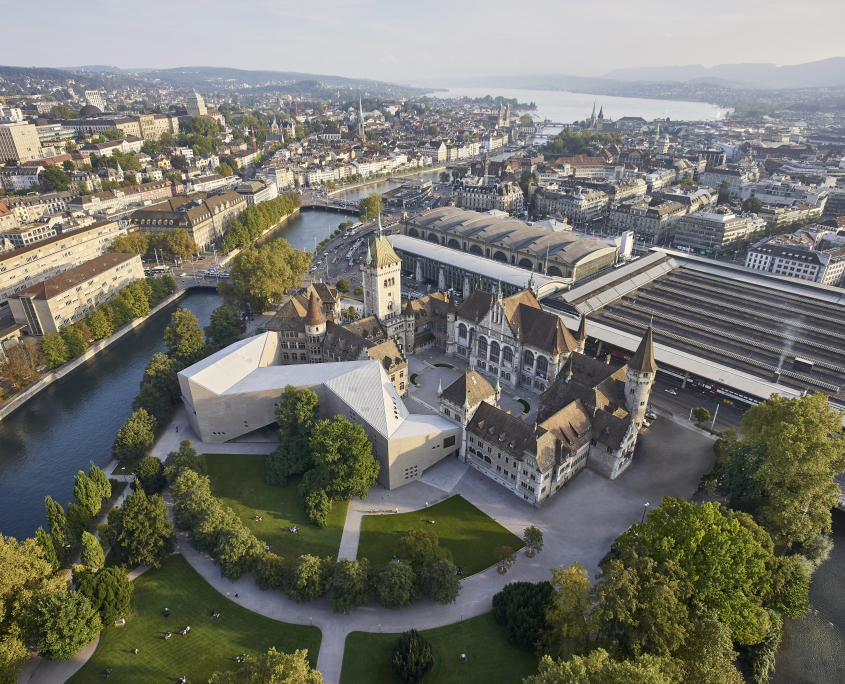
The local organiser suggests the following hotels for access to the conference venue (Swiss National Museum) and the Saturday evening dinner location.
Address: Stampfenbachstrasse 60, 8006 Zürich
Location: Located right next to the conference venue (approx. 5-minute walk)
Address: Vulkanstrasse 108B, 8048 Zürich
Location: Located in the outer quarter with a direct train connection to the main station and convention center. It is also ideally situated for the Saturday evening dinner (approx. 12-minute walk)
Address: Langstrasse 150, 8004 Zürich
Location: A stylish option located within a 15-minute walk or a short tram ride to the conference venue
For a wider list of budget accommodations, including hostels, please visit the official tourism board guide.
For a lower price point, the easyHotel chain offers basic but modern rooms. All listed locations are nearby or easily accessible by public transport to the convention center.
easyHotel Zürich City Centre (Zwinglistrasse 14, 8004 Zürich)
easyHotel Zürich Main Station (Klingenstrasse 33, 8005 Zürich)
easyHotel Zürich Limmatplatz (Heinrichstrasse 122, 8005 Zürich)
Additionally, you will find on this hotel booking platform, recommended by our local co-organiser, a list of other available hotels in various categories near the conference venue.
Please note: Zurich is an international city and major financial hub. Accommodation prices are generally high compared to many other destinations. During conference periods, availability can be limited, and budget hotels in particular tend to sell out quickly.
The conference organising committee strongly encourages participants to:
Book accommodation as early as possible, as many hotels may be fully booked well in advance.
Search independently for additional options, including private accommodation platforms.
Consider alternative budget accommodation (e.g., hostels, simple guesthouses, or private rooms), where more attractive offers may sometimes be available.
You need to load content from reCAPTCHA to submit the form. Please note that doing so will share data with third-party providers.
More InformationYou are currently viewing a placeholder content from Turnstile. To access the actual content, click the button below. Please note that doing so will share data with third-party providers.
More InformationYou need to load content from reCAPTCHA to submit the form. Please note that doing so will share data with third-party providers.
More InformationYou are currently viewing a placeholder content from Facebook. To access the actual content, click the button below. Please note that doing so will share data with third-party providers.
More InformationYou are currently viewing a placeholder content from Instagram. To access the actual content, click the button below. Please note that doing so will share data with third-party providers.
More InformationYou are currently viewing a placeholder content from X. To access the actual content, click the button below. Please note that doing so will share data with third-party providers.
More Information
Payment Details
ICC Bank Account Details:
Organisation name: International Certificate Conference e.V.
Bank name: Sparkasse Aschaffenburg Miltenberg
Bank address: Friedrichstraße 7, 63739 Aschaffenburg
Account number: 0013027271
Bank code: 79550000
IBAN: DE02 7955 0000 0013 0272 71
BIC: BYLADEM1ASA
Please indicate “2025 ICC-Languages Conference Fee + Your Full Name” as the payment reference (Verwendungszweck) when transferring the fee. Please be advised that any applicable bank charges are to be covered on your end. Additionally, in the unfortunate event of your absence from the conference, we regret to inform you that the fee is non-refundable. We sincerely appreciate your understanding. For any further inquiries regarding the payment, please feel free to reach out to our team at info@icc-languages.eu and our accounting assistant, Ms. Joana Huth, at joana.huth@icc-languages.eu.